Home / Lighting and Accent Details on Metal Gates
Lighting and Accent Details on Metal Gates
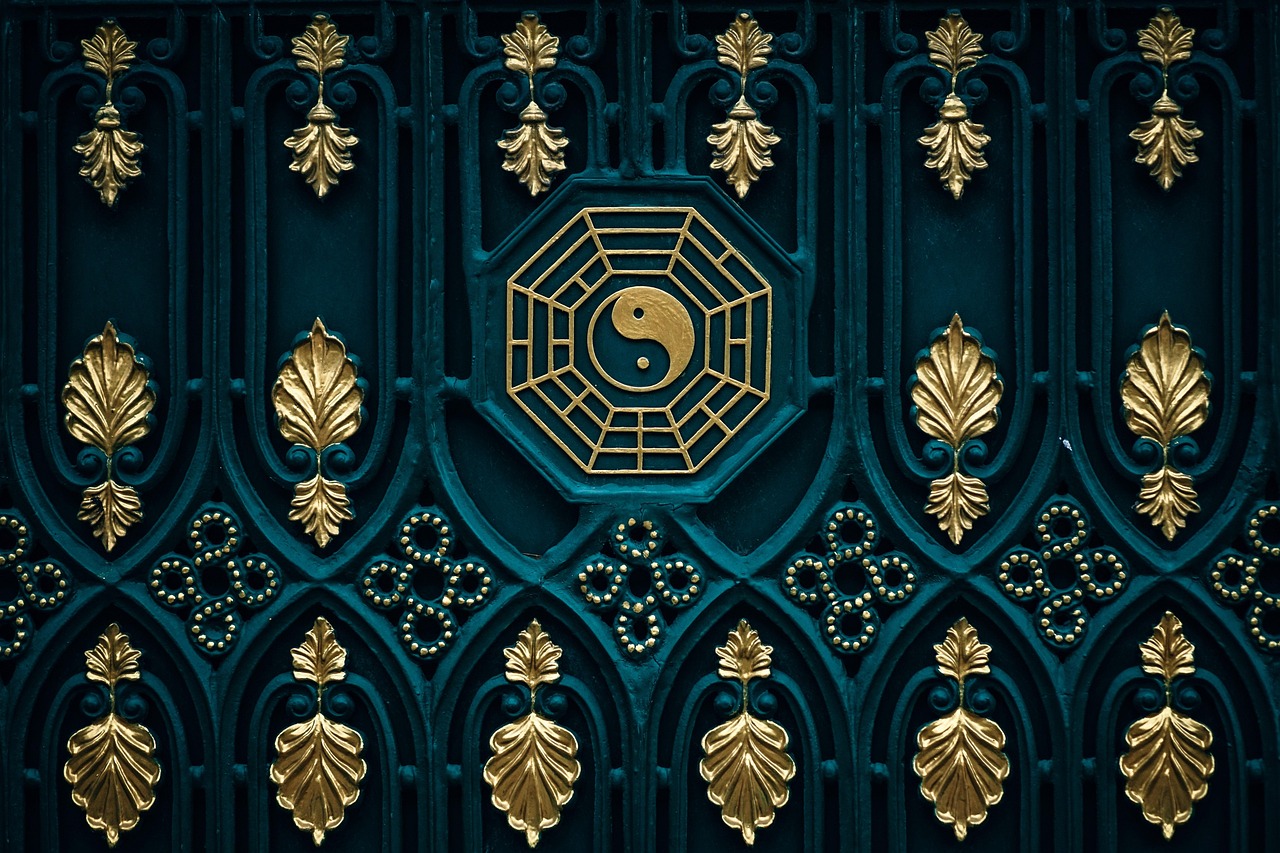
Lighting and small accent details turn a metal gate from a barrier into an entrance. A well placed fixture makes the gate visible and safe after dark, and details such as post caps, medallions and monograms give it character in daylight. The best results come from deciding on both before the gate is fabricated, because wiring and mounting points are easiest to build in from the start.
Why lighting matters at a gate
A gate with no light is hard to find at night. Visitors fumble for a latch, delivery drivers miss the number and a closed gate can be a hazard for anyone walking up in the dark. Light also discourages trespassing, since a lit entry looks watched. A modest amount at the right place does more than a bright floodlight that causes glare.
The goal is even, low glare illumination of the gate, the number and the latch. Warm white light, around the color of a traditional porch bulb, is flattering to metal and masonry. Cool white light can look harsh and makes dark finishes seem flat.
Types of fixtures
Post top lanterns sit on gate columns and give the classic gate entrance look. They suit stone, brick and stucco columns and work well with traditional ironwork. Wall mounted sconces attach to a column or an adjacent wall and light the face of the gate. Downlights mounted under a cap or an overhead trellis cast light straight down onto the latch and walkway. Low path lights along the approach guide people toward the entry. Uplights at the base of a column wash the surface and draw attention to texture.
Integrated lighting is another option, with small LED strips tucked into the gate frame or behind a decorative panel. It can create a soft glow, though it needs careful waterproofing and a plan for replacing the lamps.
Power options
Hardwired low voltage systems are the most dependable. A transformer reduces power to a safe level, and cables run in shallow trenches to each fixture. Line voltage fixtures are brighter but need conduit and a licensed electrician in most cases. Solar fixtures need no wiring and install quickly, though their output dims in winter and after cloudy days.
If the gate has an operator for sliding or swinging, the same power run can often supply the lights. Planning the conduit once, before concrete is poured for the columns, avoids breaking the work open later.
Accents that add character
Post caps finish the top of a column or a metal post and keep rain out. They come in flat, pyramid, ball and ornate shapes, in steel, cast iron, stone or copper. Medallions are decorative plates set in the center of a gate or on a column, often with a monogram, an initial or a simple motif. Finials top pickets and add rhythm along the top edge. Custom cutouts, such as a family initial or a pattern echoing a window grille, can give a gate a distinctive look.
Use accents with restraint. One or two strong details look intentional, while many competing ones look busy. Repeat a shape from the house, such as a curve from an arch or a pattern from a window, so the accents feel connected.
Materials and finish
Match the finish of the accents to the gate. Black powder coat or paint is the most common. Bronze and copper finishes age to a natural patina and suit traditional homes. Mixed metals can look striking when done on purpose, with one metal for the frame and another for the accent. Fasteners should be stainless or coated to prevent rust streaks.
Lighting fixtures have their own finishes. Choose ones rated for outdoor use, and for wet locations where they sit directly under open sky. Check the warranty and see whether replacement bulbs and parts are easy to find.
Placement and glare
Place fixtures so the light falls on the gate and the number without shining into the eyes of a person approaching. Shielded fixtures and downward aimed light reduce glare and keep light on the property. Be considerate of neighbors, whose windows may face the entry. A fixture with a visible bare bulb can be uncomfortable, and a diffuser or a frosted lens softens it.
Check for local rules on outdoor lighting. Some neighborhoods require shielded fixtures, and the city may have dark sky guidance that limits brightness and color temperature.
Where to read more
Lighting and accents are part of a larger plan for gate style, privacy and approval, and the main gate guide for Georgetown shows how the pieces connect. georgetown metal gates corner.
Maintaining the details
Clean fixtures a few times a year and replace failing bulbs early. Wipe medallions and caps with a soft cloth and a mild cleaner, and touch up chips before rust begins. Look at the wiring each spring, since landscape work and mowers can nick cables. A little attention keeps the entry looking sharp and the lights working when they are needed.
A simple plan
Decide where light is needed, choose a fixture type that suits the columns or gate, and plan the power before building. Pick one or two accents that echo the house, match the finishes and place everything with glare in mind. With those choices made together, the gate looks welcoming by day and safe by night.
Timing and controls
Controls make lighting easier to live with. A dusk to dawn sensor turns the fixtures on at nightfall and off at sunrise without anyone remembering. A timer can dim or switch off the lights late at night, which saves energy and keeps the glow from bothering neighbors. Smart switches let the owner adjust brightness from a phone, and a motion sensor can raise the light when someone approaches the gate. Whichever control is chosen, keep a simple manual switch as a backup, since electronics fail more often than a toggle.
Budget and phasing
Not every detail has to be bought at once. Run the conduit and set the mounting points during the build, since that is the hard part to add later. Start with a lantern on each column or a single downlight over the latch, then add path lights, accents and monograms in later seasons. Stock caps and standard fixtures keep the first stage affordable, and a custom medallion can come once the entry is finished and the owner knows what is missing. Planning in phases keeps the design coherent instead of piecemeal.
Checking the result at night
Judge the lighting after dark, not at noon. Walk to the gate from the street, then from the house, and note any glare, dark spots or harsh shadows. Ask a neighbor to look from their window. Small changes, such as tilting a fixture, switching to a warmer bulb or adding a shield, usually fix the problems in minutes.